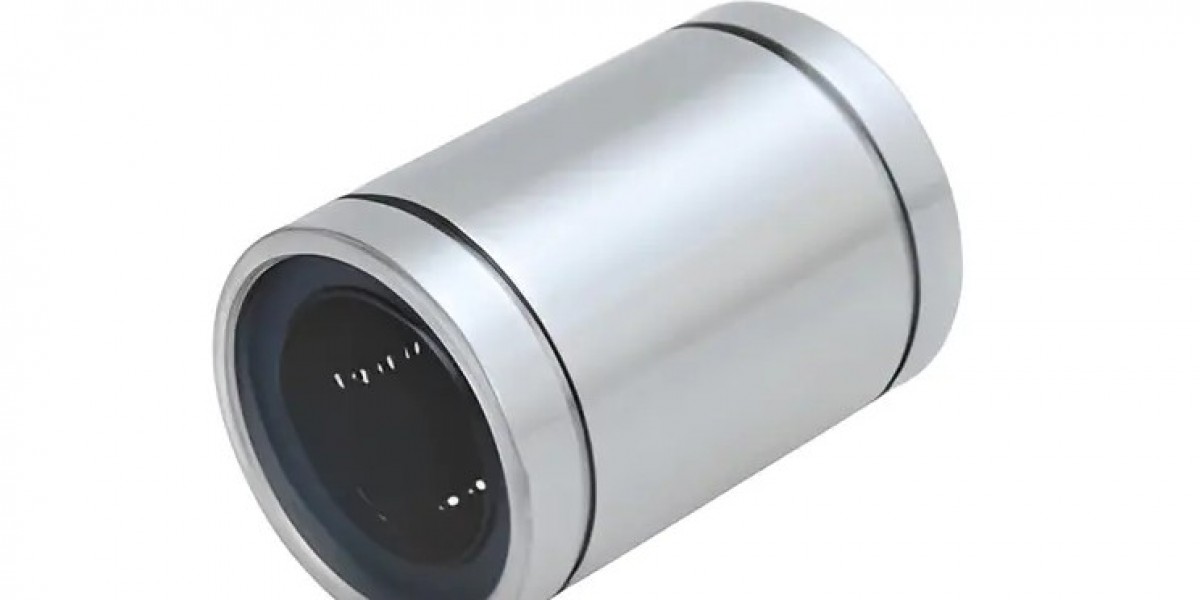

A linear bearing is a fundamental component in modern mechanical systems that require smooth and controlled movement. It is designed to provide a low-friction motion along a straight path, which is essential in many types of equipment where precision and stability are priorities. By reducing resistance between moving parts, a linear bearing contributes to consistent operation and extended equipment lifespan.
The construction of a linear bearing involves durable materials that can withstand repeated motion without significant wear. Common types include ball bushings, plain slide bearings, and roller-based designs. Each type has its unique features and is chosen based on the requirements of the application, whether it involves high loads, quiet operation, or resistance to contaminants.
In industries such as automation, robotics, and packaging, linear bearing systems play a critical role. They allow machinery to operate with higher accuracy while maintaining steady performance. For instance, in a robotic arm, linear bearings ensure that each axis can move smoothly, supporting precise positioning without unwanted vibrations. Similarly, in packaging equipment, they help maintain reliable product handling during repetitive cycles.
Maintenance is another key factor in the performance of a linear bearing. Regular lubrication and inspection help reduce friction and prevent damage caused by debris or misalignment. Many modern designs incorporate self-lubricating features, reducing the need for frequent manual servicing. This improvement not only saves time but also increases the reliability of the system.
The advantages of using a linear bearing extend beyond machinery. They are also applied in laboratory instruments, transportation systems, and even in furniture that requires stable sliding mechanisms. Their versatility demonstrates their importance in both industrial and everyday applications.
As technology continues to progress, linear bearing designs are expected to evolve, with improved materials and advanced manufacturing methods leading to even greater precision and durability. This makes them a vital part of engineering innovations and an essential component in countless systems that rely on accurate linear motion.