
Introduction to Impeller Aerator Operation
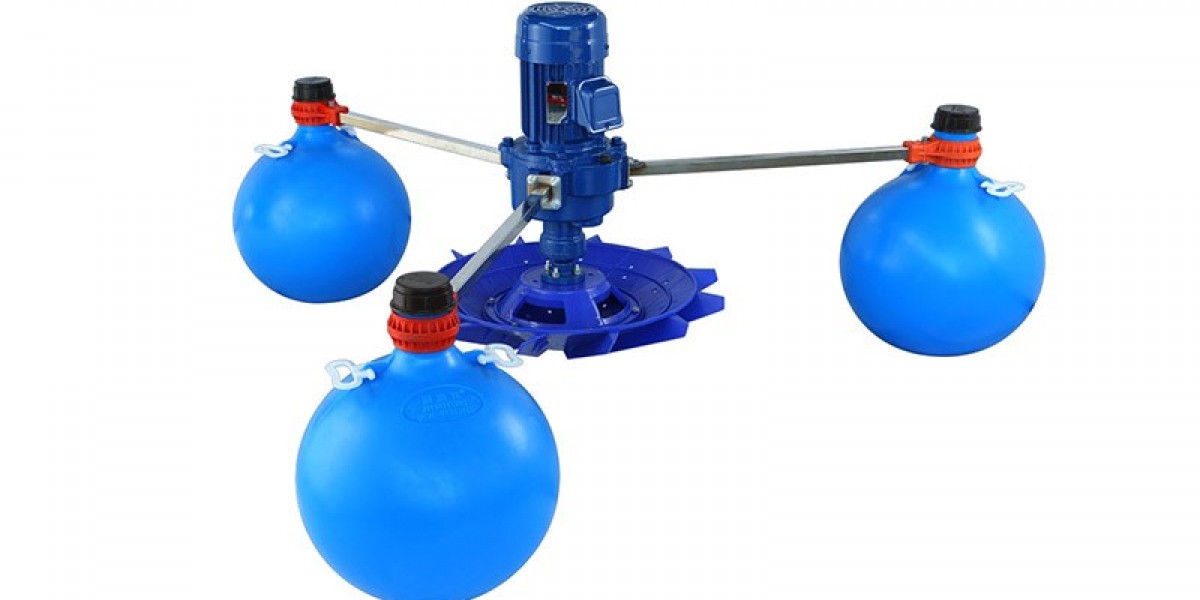
An Impeller Aerator is widely employed in aquaculture and wastewater treatment to maintain sufficient dissolved oxygen levels and promote water circulation. While these devices are generally reliable, long-term operation can present challenges related to clogging and sediment accumulation. Understanding the mechanisms behind these issues is essential for maintaining optimal aeration performance and minimizing maintenance requirements. Water quality, particulate load, and operational practices all influence the likelihood of blockages or mud deposition.
Causes of Clogging and Sediment Accumulation
Over time, suspended solids, organic debris, and sediment in water can accumulate around the impeller and its housing. This is especially common in ponds, lagoons, or wastewater systems with high turbidity. As debris settles, it can reduce the efficiency of water flow, decrease oxygen transfer, and create uneven circulation patterns. In extreme cases, accumulated sediment may obstruct the impeller entirely, causing equipment strain or operational downtime. The risk is heightened when the impeller operates at low speeds or the water contains dense particulate matter.
Effects on Aeration Performance
When an Impeller Aerator becomes partially blocked or coated with sediment, its ability to circulate water and dissolve oxygen diminishes. Reduced turbulence leads to lower oxygen transfer rates, which can affect aquatic life or compromise wastewater treatment processes. Additionally, the motor may experience increased load as it attempts to maintain normal rotational speed, resulting in higher energy consumption and potential wear. Continuous monitoring is essential to detect early signs of clogging and prevent performance degradation.
Preventive Measures and Maintenance Strategies
Regular inspection and cleaning are critical for preventing long-term blockages. Operators can remove accumulated debris manually or employ automated cleaning systems where feasible. Selecting impellers with self-cleaning designs or abrasion-resistant materials can further reduce the likelihood of sediment build-up. Additionally, optimizing impeller speed and positioning helps maintain sufficient water movement to prevent particle deposition. Maintaining appropriate pre-treatment of incoming water, such as screening or sediment settling, can also extend the interval between maintenance activities.
Operational Considerations for Long-Term Use
To ensure continuous and efficient operation, operators must develop a maintenance schedule tailored to the specific water conditions. High-particulate environments require more frequent inspection and cleaning, whereas clearer waters allow longer uninterrupted operation. Monitoring dissolved oxygen levels, observing water flow patterns, and checking for unusual vibrations or noise can indicate early signs of clogging. By addressing these issues proactively, operators can sustain aeration efficiency, protect aquatic organisms, and prolong equipment life.
Long-term operation of Impeller Aerators in sediment-rich or debris-laden waters can lead to clogging and accumulation of mud around the impeller. This affects oxygen transfer efficiency, increases mechanical strain, and may result in higher energy consumption. Preventive maintenance, careful monitoring, and design optimization are essential to mitigate these challenges. By understanding the relationship between water conditions and operational performance, operators can ensure reliable aeration and extend the service life of their equipment.