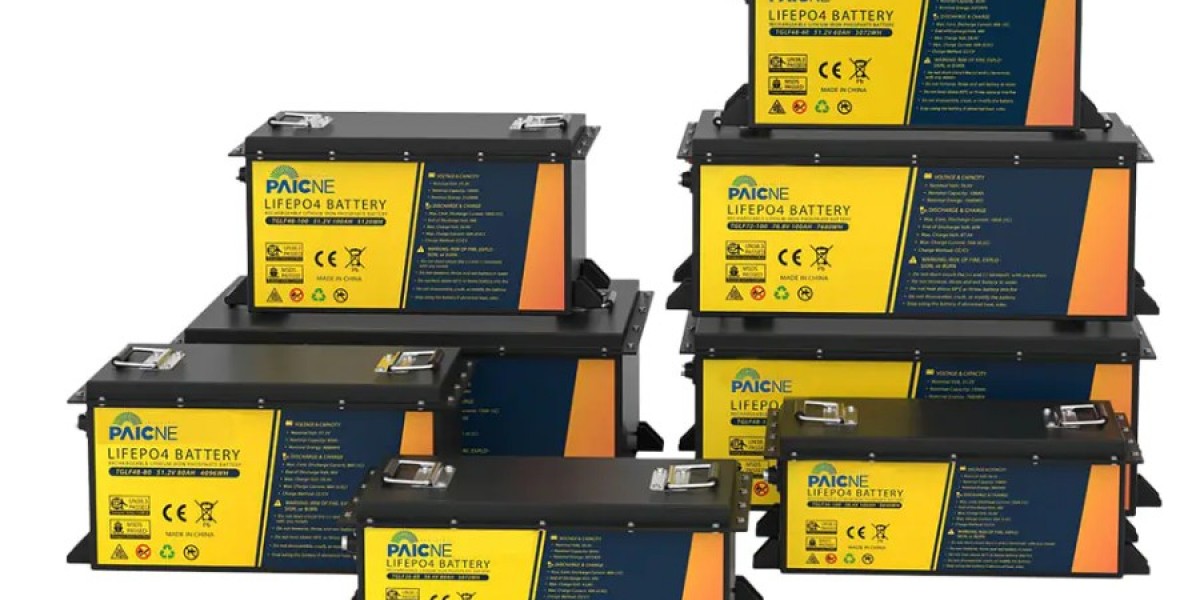

Introduction to Photovoltaic Storage Challenges
Lithium Iron Phosphate Battery (LiFePO4) has become a popular choice for renewable energy storage due to its safety, long cycle life, and environmental benefits. In photovoltaic (PV) systems, where solar energy generation fluctuates with weather and daylight, the integration of efficient energy storage is critical for maintaining grid stability. Understanding how LiFePO4 storage influences the balance, reliability, and resilience of power networks highlights its growing role in modern energy systems.
Managing Solar Intermittency
One of the main challenges of solar power is its intermittent nature. Clouds, seasonal variations, and daily cycles all affect energy output. Lithium Iron Phosphate Battery helps mitigate these fluctuations by storing excess power during peak sunlight hours and releasing it during low or no generation periods. This function smooths the supply curve and reduces the mismatch between production and demand, which directly enhances grid stability.
Frequency and Voltage Regulation
Stable grids require consistent voltage and frequency levels. Sudden surges or drops in solar energy can destabilize the system if not managed properly. LiFePO4 storage units can respond rapidly to fluctuations, injecting or absorbing energy within seconds to maintain balance. Their fast response time gives grid operators a reliable tool to manage frequency regulation, ensuring uninterrupted power delivery to consumers.
Load Shifting and Peak Demand Reduction
By enabling load shifting, these batteries play a vital role in reducing strain on the grid during peak demand. Instead of overloading power infrastructure when energy consumption spikes, stored solar energy can be dispatched from LiFePO4 systems. This reduces the likelihood of blackouts, decreases reliance on fossil-fuel backup plants, and improves overall efficiency of the grid.
Enhancing Grid Resilience
In addition to stability, resilience is a key concern for modern energy systems. Lithium Iron Phosphate Battery enhances resilience by acting as a decentralized power source. In the event of local outages or disruptions, distributed storage can continue supplying electricity, reducing downtime and supporting critical services. This function is particularly valuable in regions with weak or unstable grid infrastructure.
Long-Term Benefits for Renewable Integration
The compatibility of LiFePO4 with renewable systems supports the broader transition to cleaner energy. Its stable chemistry and high cycle life mean that storage systems can operate effectively for years, maximizing the return on investment. Furthermore, as the proportion of renewable power increases in grids worldwide, reliable storage becomes essential. By reducing variability and improving predictability, these batteries make large-scale solar integration feasible without compromising stability.
Lithium Iron Phosphate Battery in photovoltaic storage applications has a profound impact on grid stability. By addressing solar intermittency, supporting frequency and voltage regulation, enabling load shifting, and enhancing resilience, it provides both immediate and long-term benefits to power networks. As solar adoption continues to expand, LiFePO4 storage systems will play an increasingly critical role in ensuring reliable, efficient, and sustainable electricity delivery.
Features:
1. High energy density: Phosphate iron lithium batteries have a higher energy density, providing longer usage time and higher cruising range.
2. Long cycle life: Phosphate iron lithium batteries have a long cycle life and can withstand more charge and discharge cycles without reducing performance.
3. Good high-temperature performance: Phosphate iron lithium batteries still maintain good performance at high temperatures and are not prone to safety issues such as thermal runaway.
4. Fast charging: Phosphate iron lithium batteries have high charging efficiency and can complete charging in a short time.
5. High safety: Compared to other lithium-ion batteries, phosphate iron lithium batteries have lower risk of self-ignition and explosion.