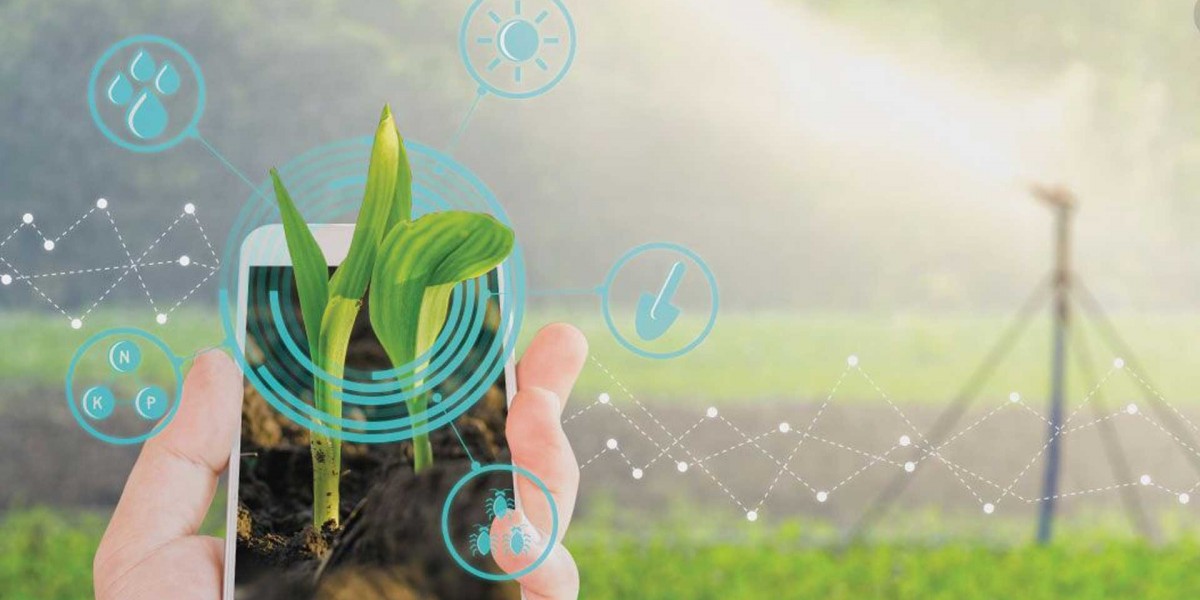

To fully grasp the US IoT Agriculture Market Size, it is essential to look beyond the total valuation and examine the diverse and growing segments that constitute the whole. The market’s overall size is a sum of its parts, including critical application areas such as precision farming, livestock monitoring, smart greenhouses, and aquaculture. Precision farming, which involves using GPS, sensors, and drones to optimize crop management, represents one of the largest segments, driven by its direct impact on yield and input cost reduction. Livestock monitoring is another substantial component, with IoT wearables and monitoring systems providing invaluable data on animal health, location, and behavior. Each of these segments contributes significantly to the total market, creating a large and multifaceted industry.
The total size of this multifaceted market is not static; it is expanding at a significant pace. Current financial analysis indicates that the market size is expected to grow from $2.5 billion in 2024 to a substantial $8.2 billion by the year 2035. This expansion is underpinned by a consistent compound annual growth rate (CAGR) of 11.40%. This growth in market size reflects the technology's deepening penetration into all corners of the agricultural sector. As early adopters demonstrate success, more farms are encouraged to invest, driving a wave of adoption that continuously increases the total economic activity within the market. The robust growth rate signals that the market is still in a high-growth phase with considerable room for future expansion.
When broken down by technology, the market size is composed of three main layers: hardware, software, and services. The hardware layer, which includes sensors, gateways, drones, and GPS devices, forms the physical foundation and represents a major portion of current spending. The software layer, encompassing farm management platforms, mobile apps, and data analytics tools, is the fastest-growing component as the value shifts from simple data collection to actionable intelligence. The services layer, which includes installation, maintenance, and data consulting, is also a crucial and expanding part of the market, providing the necessary support for farmers to effectively deploy and manage their IoT systems.
The future size of the market will be shaped by the growth of emerging segments. Indoor vertical farming, which relies almost entirely on IoT for environmental control and monitoring, is poised for explosive growth as urban populations increase and the demand for locally grown produce rises. Similarly, the application of IoT in aquaculture, or fish farming, is a nascent but high-potential area for monitoring water quality and automating feeding systems. As these new frontiers in agriculture continue to develop and adopt IoT solutions, they will add new, substantial layers to the market, ensuring that its overall size continues on its impressive upward trajectory for years to come.
Explore Our Latest Trending Reports: